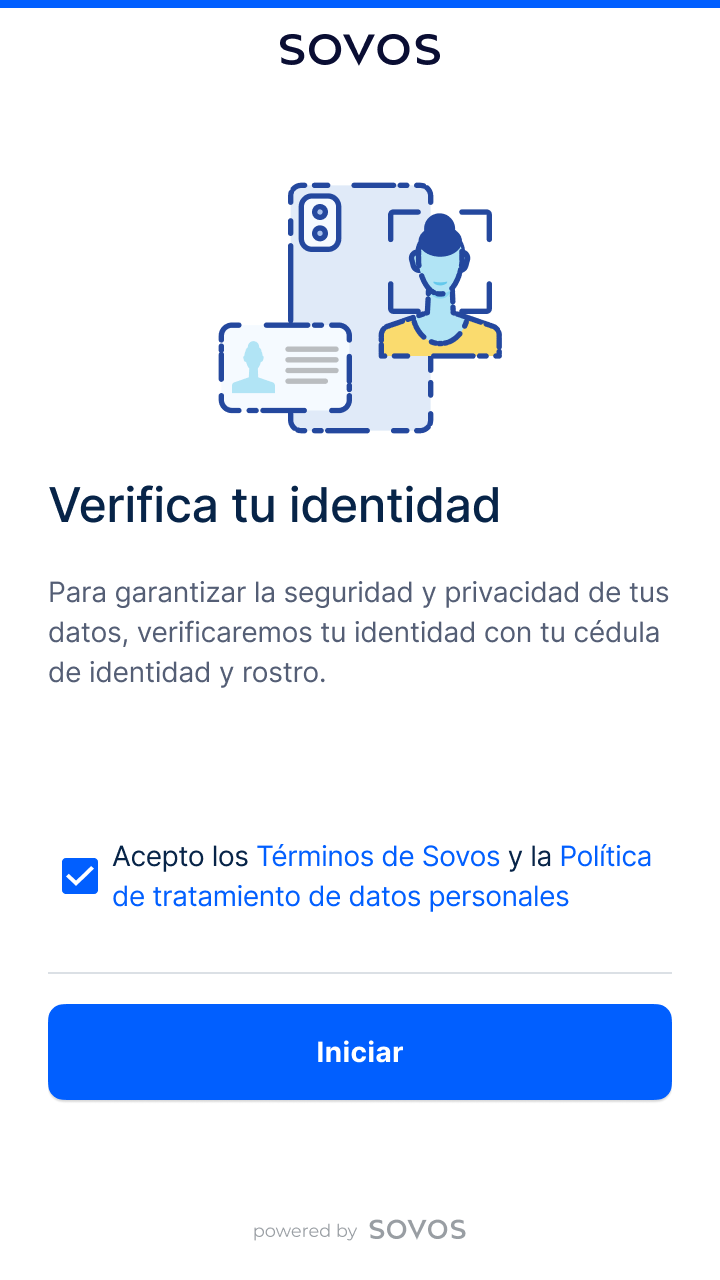
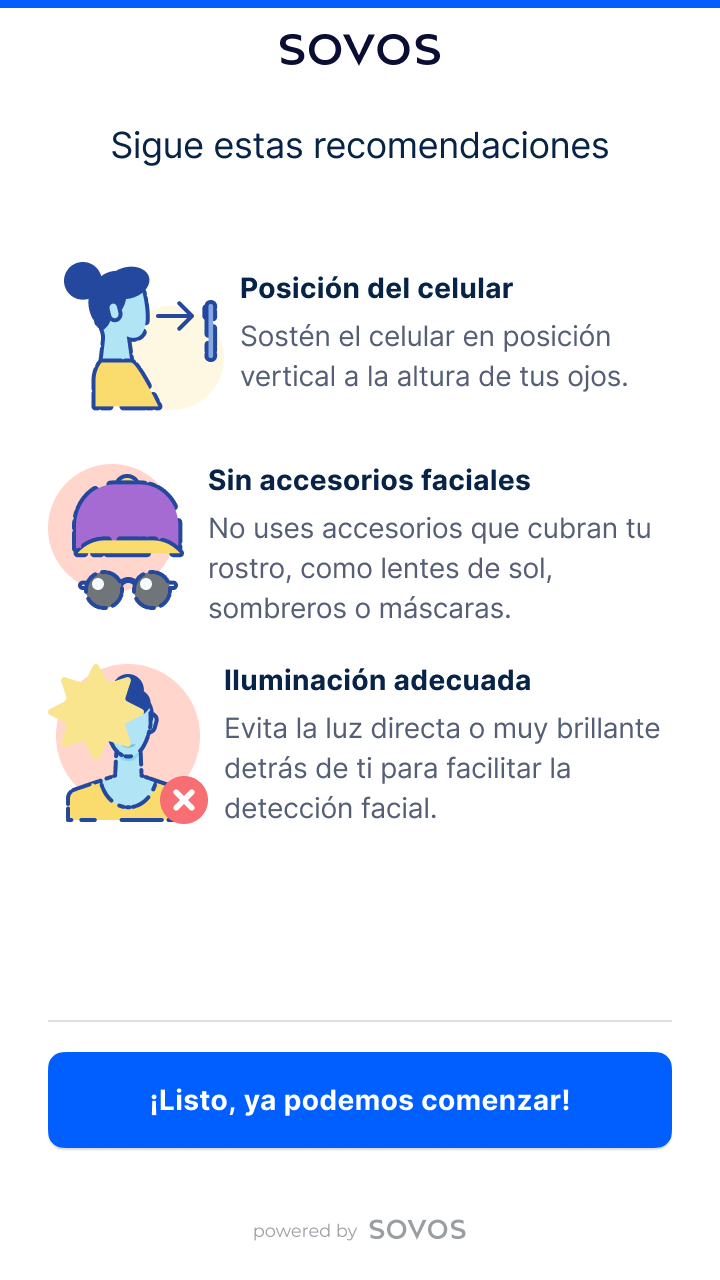
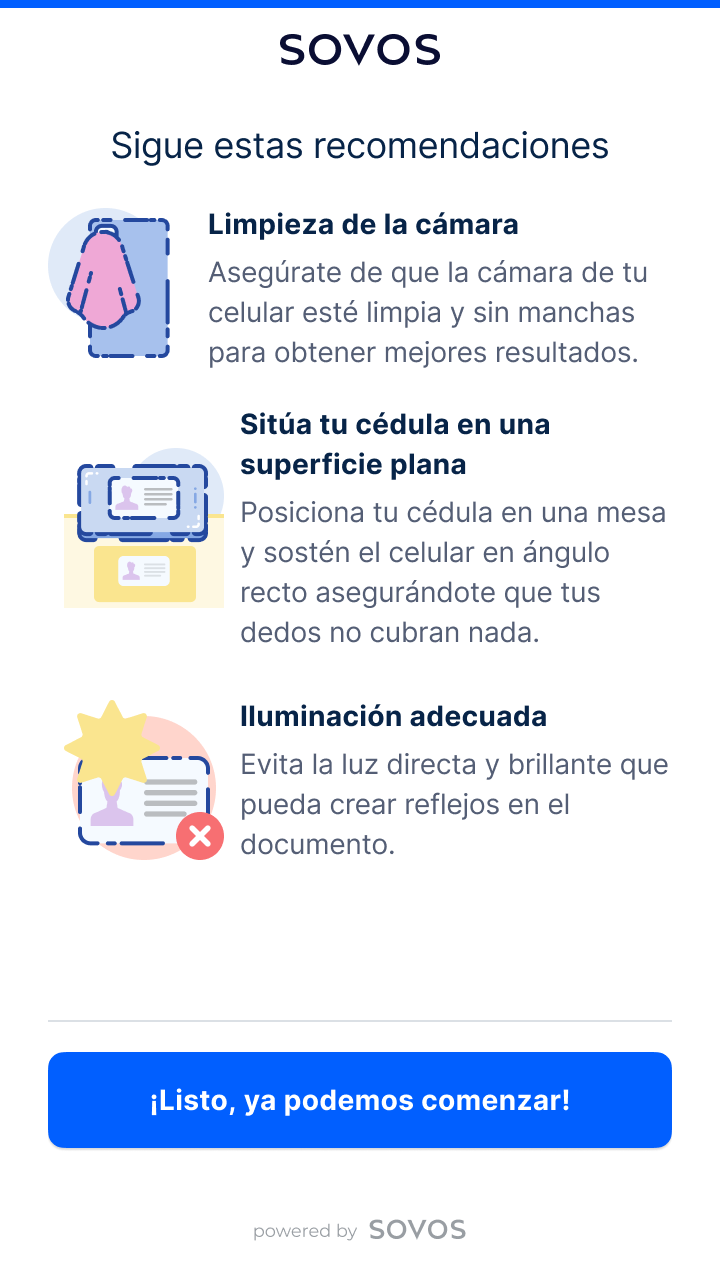
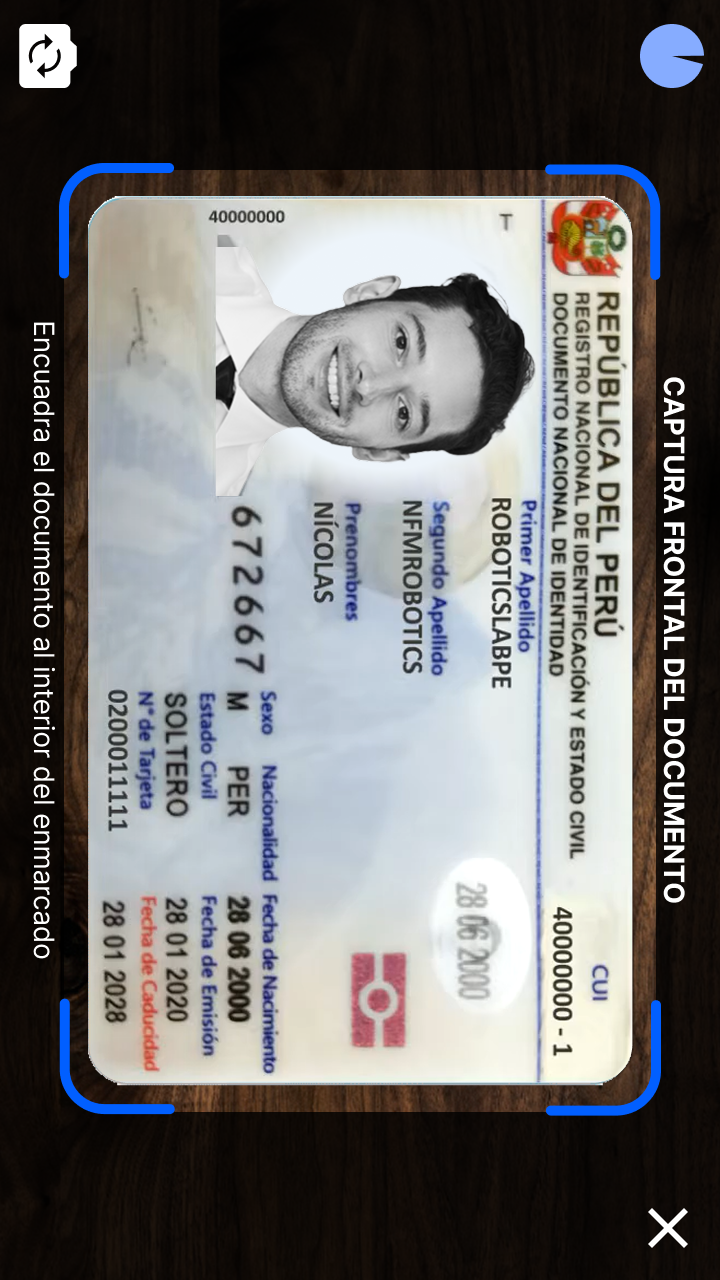
Telefónica, operating under the Movistar brand, needed to enter the Chilean mobile market but faced a critical constraint: no budget or timeline to build a brick-and-mortar store network. Their strategy required a completely digital approach—customers would receive their new phones and activate service remotely through biometric contract signing.
The Barriers to Entry
Government Compliance: Chilean regulations required biometric verification for mobile contracts, making traditional digital signing insufficient. The solution needed to meet strict government mandates while remaining accessible to mainstream consumers.
Legacy Product Foundation: OnSite ID came from an acquisition with powerful biometric SDK technology but suffered from outdated UI, unclear instructions, and minimal accessibility considerations—not enterprise-ready for a major telecom launch.
Fraud Protection Requirements: The solution needed to prevent identity fraud while maintaining high conversion rates. Any friction in the verification process would directly impact Movistar's ability to activate new customers and generate revenue.
Time Pressure: Movistar's market entry timeline was aggressive. The modernization needed to happen quickly while maintaining quality and meeting all regulatory requirements.
As Director overseeing Trust products, I recognized this as both a business opportunity and a product transformation challenge. The deal represented significant ARR potential, but delivering required modernizing a legacy acquisition into an enterprise-grade solution.